The Evolution and Impact of the Air Jordan 7 in Basketball Culture

The Air Jordan 7 stands as a defining moment in sneaker history, blending innovative design with cultural significance. Released in 1992, it arrived when Michael Jordan was at the height of his career, fresh off multiple MVP awards and NBA championships. This sneaker not only pushed basketball footwear forward but also captured the spirit of the early 1990s streetwear scene. Its bold look and performance features made it a favorite on and off the court, influencing sneaker culture for decades.
Origins and Historical Context
The Air Jordan 7 was introduced by Nike in 1992, designed by the legendary Tinker Hatfield. This release came at a pivotal time in Michael Jordan’s career. He had just secured his second NBA championship, earned the Finals MVP title, and was named the regular season MVP and scoring champion. The sneaker reflected Jordan’s growing dominance in basketball and his rising status as a global icon.
Unlike previous Air Jordan models, the AJ7 marked a shift in design inspiration. Hatfield moved away from the vehicular themes seen in the Air Jordan 5 and 6, instead drawing from cultural sources. This change aligned with the evolving tastes of sneaker enthusiasts and basketball fans, who were beginning to embrace more expressive and culturally rich designs.
Design Inspiration and Cultural Roots
Tinker Hatfield found his muse for the Air Jordan 7 in an unexpected place: Western African tribal art. While in Portland, he saw a poster featuring an Afropop musician holding a guitar shaped like the African continent. This image sparked the idea to incorporate bold geometric patterns and vibrant Afropop color palettes into the sneaker’s design.
This cultural influence was a departure from the more mechanical or automotive inspirations of earlier models. The AJ7’s patterns and colors resonated with the streetwear trends of the 1990s, which often celebrated African heritage and bold, graphic styles. This connection helped the sneaker stand out and gave it a unique identity that went beyond basketball performance.
Key Design Features That Set the AJ7 Apart
The Air Jordan 7 introduced several innovative features that enhanced both comfort and style:
Neoprene Huarache inner bootie: This provided a sock-like fit, improving comfort and lockdown on the foot.
Exposed phylon midsole: Positioned in the heel and forefoot, this design replaced the visible Air window seen in previous models, offering better flexibility.
Minimal exterior branding: Unlike earlier Jordans, the AJ7 had no visible Nike logos on the outside. Branding appeared only on the insoles, reflecting Jordan’s growing star power and his desire for independence from the Nike brand identity.
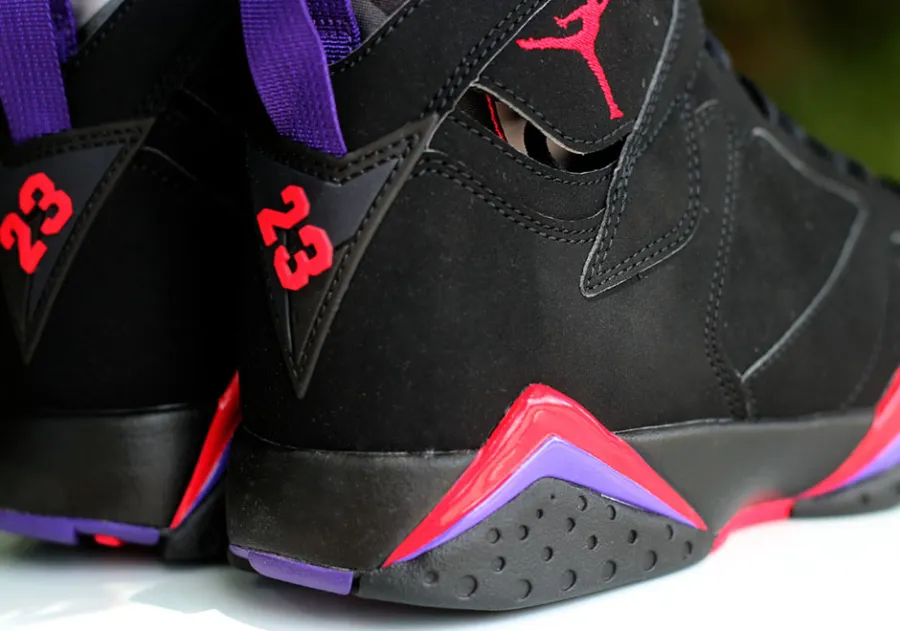
Bold tongue and outsole graphics: The sneaker featured striking geometric shapes on the tongue and outsole, reinforcing its cultural and artistic inspiration.
These design choices made the AJ7 both a high-performance basketball shoe and a fashion statement.

Cultural and Performance Impact
The Air Jordan 7 gained even more prominence when Michael Jordan wore it during the 1992 Barcelona Olympics. The USA “Dream Team,” featuring Jordan and other basketball legends, dominated the competition and won the gold medal. Nike released a special Olympic colorway of the AJ7 that replaced Jordan’s usual number “23” with the number “9,” which he wore during the games.
Priced at $125 at launch, the AJ7 quickly became a status symbol among basketball fans and sneaker collectors. Its association with Jordan’s Olympic success and its unique design helped it transcend the court and enter mainstream culture. The sneaker’s bold look and performance features made it a favorite for players and fans alike.
Legacy and Collectibility
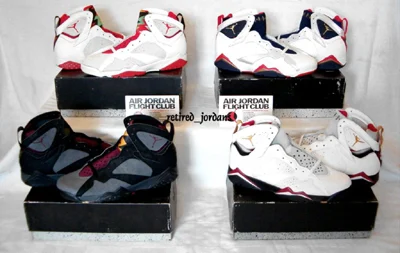
The Air Jordan 7 remains one of the most celebrated models in the Air Jordan lineup. Its confident design and cultural roots helped cement the brand’s identity during a critical period. Iconic colorways such as Bordeaux, Hare White, and Olympic continue to be highly sought after by collectors.
Nike has kept the AJ7 relevant by releasing multiple retro editions over the years. Notable reissues include the Retro Raptors, Retro White/French Blue, and the limited Miro Olympic OC. These releases maintain the sneaker’s legacy and introduce it to new generations of fans.
Final Thoughts on the Air Jordan 7’s Role in Basketball Culture
The Air Jordan 7 stands as a milestone in sneaker design and basketball culture. It combined innovative performance features with bold cultural influences, reflecting the era’s streetwear trends and Michael Jordan’s rising global influence. The sneaker’s unique design and Olympic connection helped it become a symbol of excellence and style.
For sneaker enthusiasts and basketball fans, the AJ7 offers more than just a shoe. It represents a moment when sport, culture, and fashion came together to create something lasting. Collectors continue to prize its iconic colorways, and players appreciate its comfort and performance.


Comments