Coffee Trends to Watch in 2026 Sustainable Choices and Evolving Consumer Preferences
- joseleonwp
- Apr 25
- 3 min read

Coffee culture is changing fast. By 2026, the way people enjoy coffee will reflect deeper values and new habits. Sustainability will no longer be optional but expected. Coffee will serve more than just a caffeine boost, becoming part of a wellness routine. Ready-to-drink options will offer premium quality for busy lifestyles. At the same time, coffee lovers will explore bold flavors and connect more closely with the stories behind their beans. This post explores the key trends shaping coffee in 2026 and what they mean for consumers and the industry.

Sustainability as a Core Expectation
Sustainability is no longer a niche concern. Coffee drinkers expect brands to act responsibly from farm to cup. This means:
Ethical sourcing: Coffee must come from farms that pay fair wages and support local communities.
Regenerative farming: Practices that restore soil health and biodiversity are gaining attention.
Compostable packaging: Single-use plastics are being replaced by materials that break down naturally.
Supply chain transparency: Consumers want clear information about where and how their coffee is grown.
For example, some coffee companies now provide QR codes on packaging that reveal the farm’s location, farming methods, and farmer stories. This transparency builds trust and loyalty.
Climate change also forces farmers to adapt. Rising temperatures and unpredictable weather affect coffee yields and quality. Brands that support farmers through training and resources help protect the future of coffee.
Functional and Lifestyle Coffee
Coffee is evolving beyond a simple energy boost. Many consumers want drinks that support health and well-being. Functional coffee blends include:
Adaptogens like ashwagandha or reishi mushrooms to reduce stress.
Vitamins and minerals that boost immunity.
Natural nootropics to enhance focus and mental clarity.
These ingredients reflect a broader wellness trend where consumers seek products that fit their lifestyle goals. For example, a coffee brand might offer a blend with added vitamin C and ginseng aimed at immune support during cold seasons.
This shift means coffee is becoming part of a daily health ritual, not just a morning pick-me-up.
Premium Ready-to-Drink Options
Convenience remains important, but quality matters just as much. The ready-to-drink (RTD) coffee market is growing rapidly, with new products offering café-level experiences on the go. Key developments include:
Canned cold brews with smooth, rich flavors.
Nitro coffees infused with nitrogen for a creamy texture.
Single-origin RTD drinks that highlight unique coffee regions.
Consumers want variety and authenticity in RTD options. For example, a cold brew made from Ethiopian beans with floral and citrus notes can offer a distinct experience compared to mass-market blends.
This trend suits busy professionals, travelers, and anyone who values quality without sacrificing time.
Flavor Exploration and Global Influence
Coffee drinkers are more adventurous than ever. They seek bold, unique flavors inspired by global culinary traditions. This includes:
Regional brewing methods like Turkish or Vietnamese coffee.
Unexpected pairings such as coffee with spices, herbs, or fruit infusions.
Story-driven blends that connect drinkers to specific cultures and histories.
Exploring these flavors allows consumers to experience coffee as a cultural journey. For example, a coffee shop might feature a rotating menu of international brews, each with detailed background stories.
This trend encourages curiosity and appreciation for coffee’s diversity.
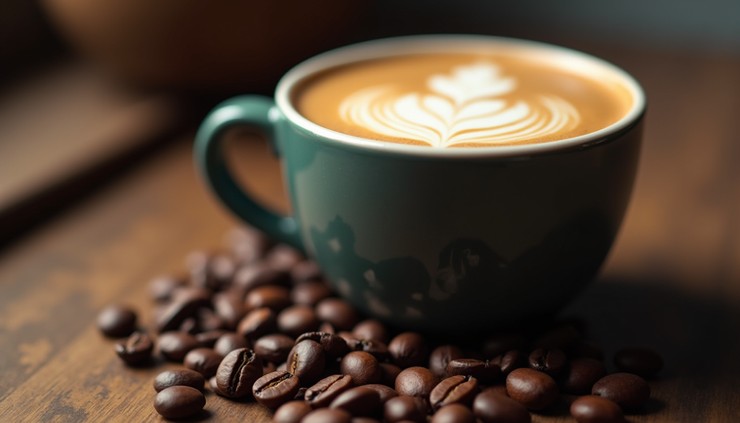
Specialty Coffee Scarcity
Specialty coffee is becoming more valuable and harder to find. Production costs are rising due to labor, climate challenges, and limited land suitable for high-quality beans. This scarcity drives interest in:
Provenance: Consumers want to know exactly where their coffee comes from.
Unique flavors: Rare beans with distinct taste profiles gain attention.
Stories behind the beans: Personal connections to farmers and regions add meaning.
For example, some specialty roasters focus on micro-lots from single farms, offering limited quantities that highlight exceptional quality.
This scarcity encourages consumers to savor coffee more mindfully and appreciate its craftsmanship.
Digital Engagement and Community Building
Coffee brands are building stronger connections with consumers through digital platforms. This includes:
Interactive storytelling about coffee origins and production.
Loyalty programs that reward repeat customers.
Virtual events like tastings and brewing workshops.
These efforts create communities around shared passion for coffee. For instance, a brand might host live online sessions where farmers share their experiences and answer questions.
Digital engagement helps consumers feel part of a larger coffee culture, deepening their appreciation and loyalty.
Climate Change Impact on Coffee Production
Climate change is reshaping coffee farming worldwide. Farmers face challenges such as:
Shifts in suitable growing regions.
Increased pests and diseases.
Unpredictable rainfall patterns.
To adapt, many are adopting new techniques like shade-grown coffee, drought-resistant varieties, and agroforestry systems. Support from brands and organizations is crucial to help farmers transition.
This reality highlights the importance of sustainable practices and consumer support for responsible coffee sourcing.


Comments